What are dental implants and how do they work?
A dental implant is a titanium post placed in the jawbone to replace a tooth root, with an abutment and a crown on top. At Marylebone Dental Implants the procedure runs from a CBCT scan and a written plan to surgery under local anaesthetic, several months of healing while bone fuses to the implant, then the crown.
The dental implant procedure has five stages, spread over several months for most people: an assessment with a 3D scan, a written plan, placing the implant, a healing period while the bone fuses to it, and fitting the final tooth. Nothing surgical happens at the first appointment.
The Oral Health Foundation says the healing stage usually takes around four months. A bone graft, a sinus lift or a tooth that still has to come out adds time, and the CBCT scan at UNTIL Marylebone is how that is known before you commit rather than partway through.
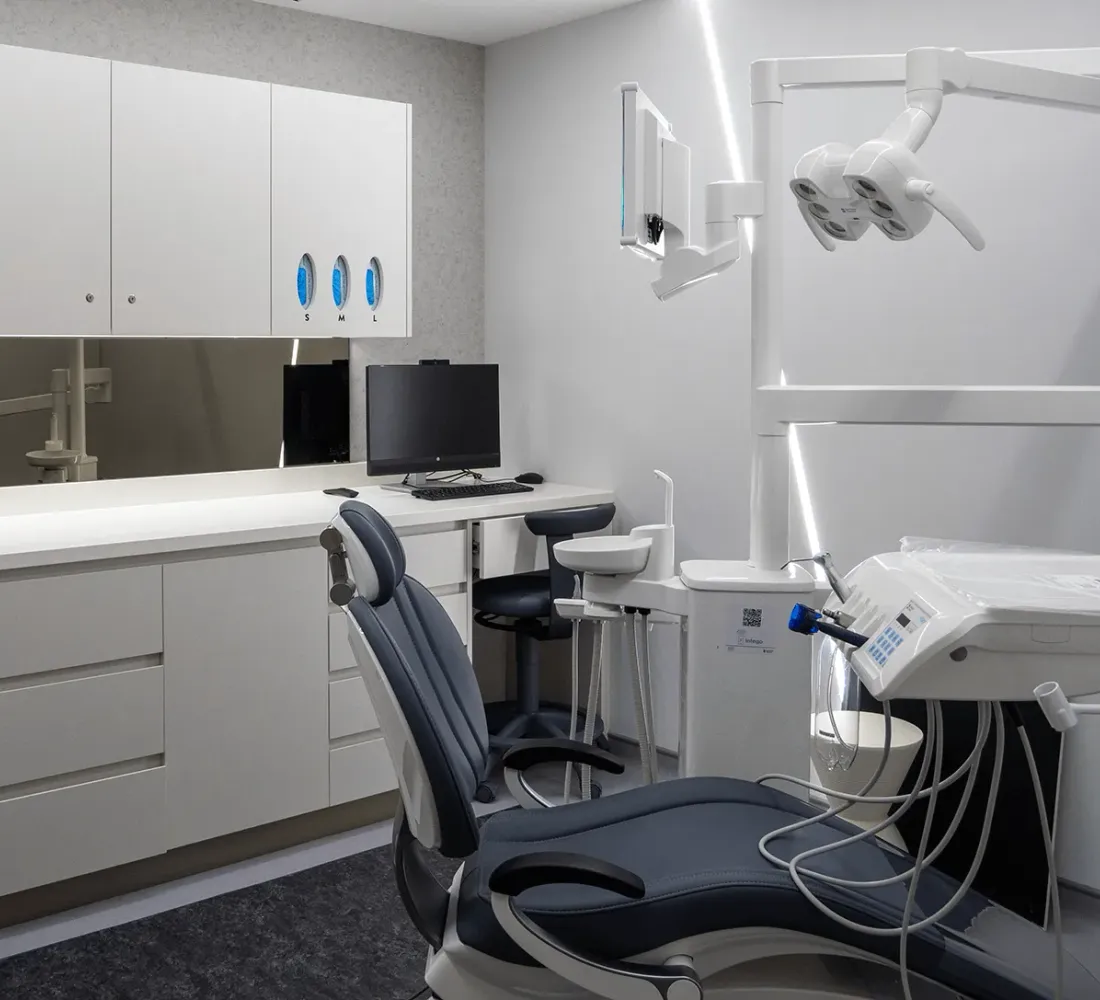
01
What is a dental implant?
A dental implant is a small titanium screw that takes the place of a tooth root. Bone grows onto its surface over the healing months, a process called osseointegration, and once it has, the implant can carry a crown, a bridge or a denture the way a root carried a tooth.
Only the crown shows. The implant sits in the bone and the abutment connects the two through the gum.
- The implantA titanium post in the jawbone, in place of the root.
- The abutmentThe connector that passes through the gum.
- The crownThe visible tooth, made to match the teeth beside it.

02
CBCT scan and implant consultation
Every implant is planned from a cone beam CT scan, a 3D image of the jaw. An ordinary dental X-ray is flat: it shows how tall the bone is but not how wide, and an implant needs both. The scan also shows the nerve in the lower jaw and the sinus above the upper back teeth, which the implant has to avoid.
At UNTIL Marylebone the scan is taken in the building, and the examination covers the teeth, gums and bite. You leave with a written plan that prices each stage.
- 3D scanBone height, width and density measured.
- ExaminationTeeth, gums and bite checked.
- Written planEach stage priced before you decide.

03
Dental implant surgery
The implant is placed under local anaesthetic, so you should feel pressure rather than pain. The gum is opened, a precise channel is made in the bone to the depth and angle the scan planned, and the implant is fitted and covered.
Where bone is short, a graft or a sinus lift may be done at the same visit or months before. A tooth that is being replaced can sometimes come out and have the implant placed at one appointment.
- Local anaestheticPressure rather than pain during placement.
- One appointmentFor a single implant, in most cases.
- Planned from the scanDepth and angle set in advance.

04
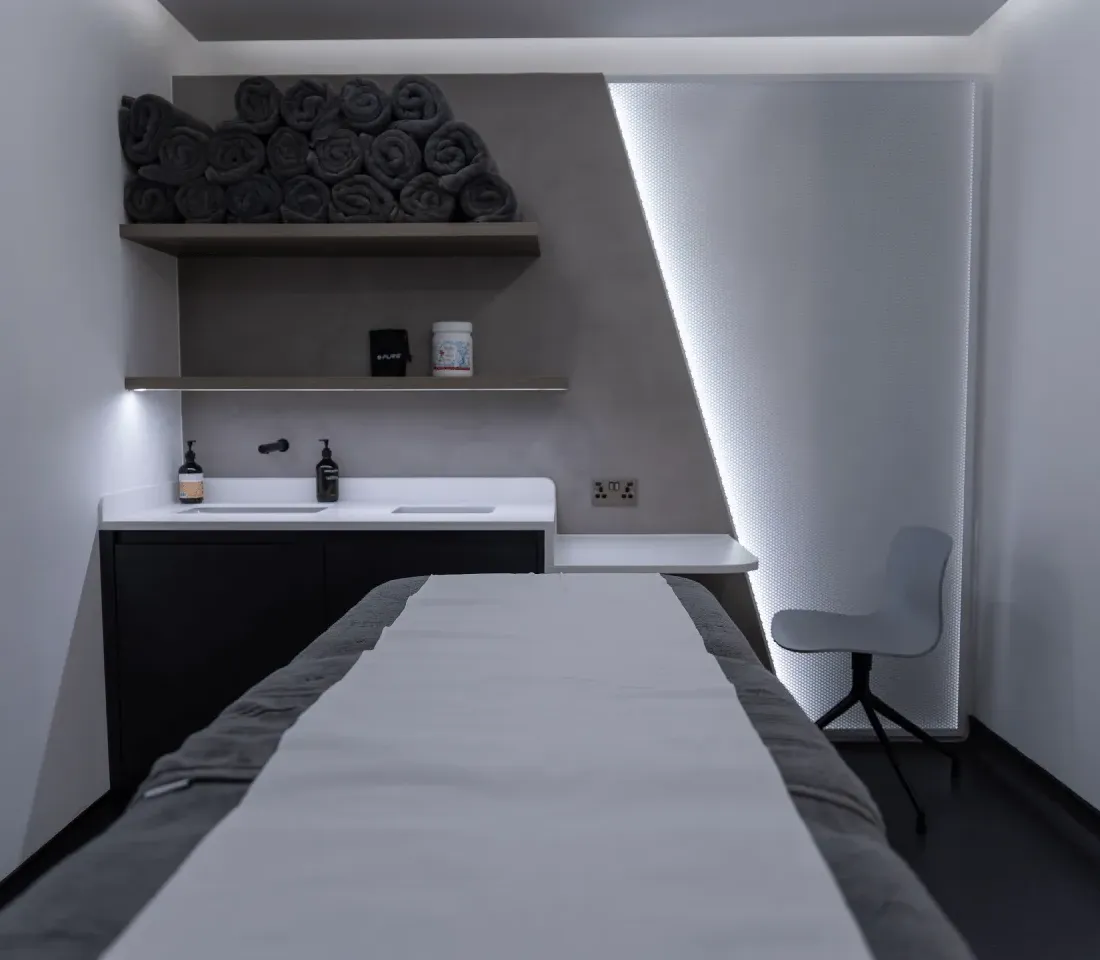
Dental implant healing time
Bone needs time to grow onto the implant, and that cannot be hurried. The Oral Health Foundation says this usually takes around four months. You are not left with a gap meanwhile: a temporary tooth, bridge or denture covers it, and it is shaped so the gum settles where the final crown will meet it.
Expect swelling and tenderness for a few days after surgery. Soft food, careful cleaning and no smoking give the implant the best start.
- About 4 monthsThe usual fusing time, per the Oral Health Foundation.
- No smokingSmoking raises the risk of failure.
- Temporary teethThe gap is covered while you heal.
05
Dental implant crown
Once the implant has fused, the abutment is fitted and the permanent crown is made to match the shade and shape of the teeth either side. For several missing teeth the same stage fits an implant bridge, and for a whole jaw a fixed bridge or a denture that clips onto the implants.
The crown is the part most likely to need replacing in time, and it can be replaced on the same implant without further surgery.
- Shade matchedMade after the gum has settled.
- Screwed or cementedOnto the abutment, chosen with you.
- ReplaceableA new crown needs no new surgery.

06
Dental implant aftercare
Implants do not decay, but the gum and bone around them can still become inflamed, a condition called peri-implantitis. The Oral Health Foundation lists red, sore or swollen gums, bleeding around the implant, infection and loosening as the signs. It is often painless until it is advanced, which is why cleaning at home and regular reviews matter.
The Association of Dental Implantology cites survival of 95.2% at 10 years for implants carrying a single crown.
- Daily cleaningBrush and interdental cleaning around the implant.
- Regular reviewsHygienist and dentist checks, built into the plan.
- 95.2% at 10 yearsSingle-crown implant survival, per the ADI.
Are dental implants worth it?
For many people, yes: an implant leaves the teeth either side untouched, keeps loading the bone under the gap and can last for decades. It also costs more and takes longer than a bridge or a denture, and both are reasonable choices in the right mouth.
The honest way to decide is with your own scan and a written plan that prices each option, including doing nothing for now. Marylebone Dental Implants arranges that assessment at UNTIL Marylebone through the UNTIL Health Concierge team.
Request an assessmentFAQ
Common
questions
How painful is dental implant surgery?
Most people feel pressure rather than pain, because the implant is placed under local anaesthetic, and describe the next few days as similar to having a tooth out. Ordinary painkillers usually cover it. If anxiety is what worries you most, tell Marylebone Dental Implants when you enquire so the implant dentist can plan the appointment around it.
What are the side effects of dental implants?
Swelling, bruising and tenderness for a few days are normal. Less common risks include infection, a graft that does not take, sinus problems in the upper jaw and, rarely, numbness from a nerve in the lower jaw. Marylebone Dental Implants plans every implant from a CBCT scan partly so those structures are measured before surgery.
Are dental implants safe?
For most healthy adults, yes. Implants are a well-established treatment, and the Association of Dental Implantology cites survival of 97.2% at 5 years for implants carrying a single crown. Safety depends on planning, gum health and smoking. Marylebone Dental Implants arranges a CBCT scan before any plan, so bone, nerves and sinuses are measured first.
What is the recovery time for dental implants?
Expect swelling and tenderness for a few days after a single implant, usually eased with ordinary painkillers. The bone then takes months to fuse: the Oral Health Foundation says around four. The implant dentist gives you written aftercare, and Marylebone Dental Implants builds a review into the plan before the crown stage begins.
Can I have a dental implant if I smoke?
Often, but smoking raises the risk of an implant failing to fuse and of gum infection around it later, so stopping, at least around surgery and healing, improves the odds. Tell Marylebone Dental Implants at your assessment how much you smoke, and the implant dentist will say plainly how it changes your plan.
Are dental implants suitable for elderly patients?
Yes. There is no upper age limit: general health, bone and gum health decide suitability rather than age. Many older people choose implants to steady a loose denture on 2 to 4 implants. Marylebone Dental Implants assesses each case from an examination and a CBCT scan, and reviews your medicines before anything is planned.
Can dental implants be done in one day?
Sometimes. Where implants are stable enough when they are placed, fixed temporary teeth can be fitted the same day, though the bone still takes months to heal and the final teeth come later. The Oral Health Foundation says this is possible in some cases. Marylebone Dental Implants tells you at assessment whether it suits you.
Get Started
Request a dental implant assessment in Marylebone,
and UNTIL Health Concierge arranges it at Orchard Street.
Marylebone Dental Implants • UNTIL, 1 Orchard Street, London W1H 6HJ
Request an assessmentThe UNTIL Health Concierge team says it will be in touch within 24 hours of your enquiry.