Single Tooth Implant in Marylebone
Replacing one missing tooth with one implant and one crown, at UNTIL Marylebone on Orchard Street, without cutting down the healthy teeth on either side.
- CBCT scan on site
- GDC-registered dentists
- Written plan before you commit

The short answer
What a single tooth implant is
How long does a single tooth implant take?
- AppointmentsAssessment, placement, review, crown
- AnaestheticLocal, so pressure rather than pain
- HealingAbout 4 months (Oral Health Foundation)
- Implant survival95.2% at 10 years (ADI)
- W1 price range£2,800 to £3,600
- First stepCBCT scan at UNTIL Marylebone
Implant vs bridge for one missing tooth
Four options replace a single missing tooth. Which suits you depends as much on the teeth either side of the gap as on the gap itself, which is why the choice is made from your scan rather than from a price list.
Dental implant
An implant replaces the root and a crown replaces the tooth, and the neighbouring teeth are left alone. It costs the most and takes months, because the bone has to fuse to the implant. In return it keeps loading the jawbone under the gap and, looked after, can last for decades: the Association of Dental Implantology cites 95.2% implant survival at 10 years for single crowns.
Conventional bridge
A bridge fills the gap with a false tooth held by crowns on the teeth either side. It is quicker and needs no surgery, but those two teeth are cut down to take the crowns, and if one of them later fails the whole bridge is affected. Where the neighbours already need crowns, a bridge can do two jobs at once.
Resin-bonded (Maryland) bridge
A false tooth with a thin wing bonded to the back of a neighbouring tooth, so very little of that tooth is drilled. It suits a front tooth with a healthy neighbour and a light bite, and it can come unstuck and need re-bonding. Some people use one while they decide about an implant.
Partial denture
A removable plate carrying the replacement tooth, clipped to the teeth either side. It is the least invasive and least expensive option, but it moves when you eat, comes out at night and does nothing to slow bone loss under the gap.
Published W1 prices for one implant with its crown ran from £2,800 to £3,600 on 29 September 2026, and the dental implant cost page compares them. If the bridge you have is the problem, the failing dental bridge page covers what happens next.
Front tooth implant
A front tooth is the hardest single implant to get right, because the gum line and the shade are on show. The implant is placed where the scan shows bone to support the gum, the gum is shaped around a temporary crown while you heal, and the final crown is made only once the gum has settled, so it comes out of the gum like the teeth beside it.
Temporary tooth while you wait for the implant
You are not left with a gap at the front. Depending on the case the temporary is a crown on the implant, a small removable denture or a resin-bonded tooth, and the implant dentist chooses the one that protects the site best. Missing teeth has more on what a gap does over time.
Back tooth and molar implants
Back teeth do most of the chewing, so a molar implant is usually wider and its crown is built for load rather than looks. Two things shape the plan. In the upper jaw the sinus may have dropped into the space, which can need a sinus lift first. In the lower jaw the scan maps the nerve that runs through the bone, so the implant stays clear of it.
A missing back tooth nobody can see still matters: the tooth above it can drift down into the gap and the teeth beside it can tip, and the bone under it shrinks, as the jaw bone loss page explains.
Crown, root canal or implant?
If the tooth is still there, keeping it is usually the first option to rule out. A tooth that can be restored with root canal treatment and a crown keeps its own root and the bone around it. An implant becomes the better choice when the tooth is cracked below the gum, when too little of it is left to hold a crown, or when a root canal has already failed.
The 3D scan at your implant consultation shows the bone around the root in a way a flat X-ray cannot, so the choice is made on what the scan shows.
Single tooth implants near you in Marylebone
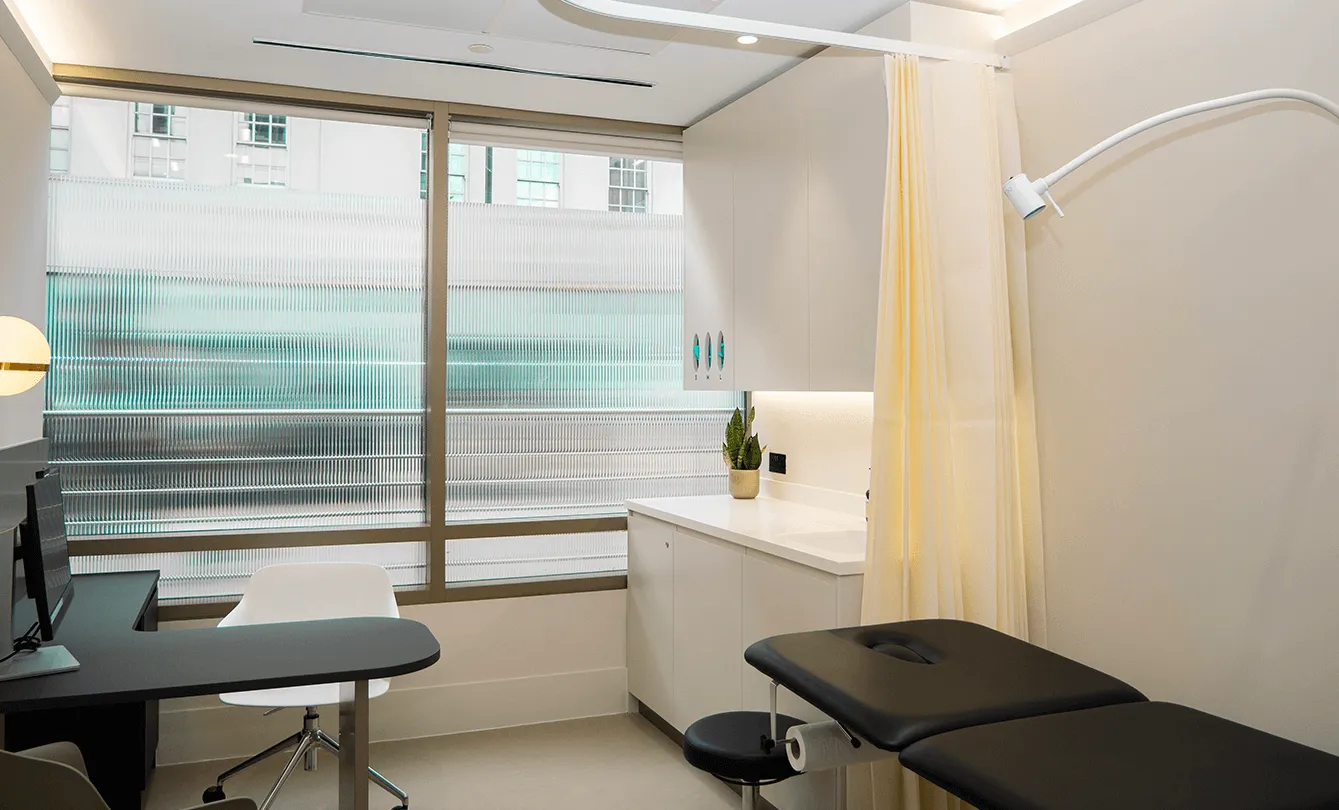
Single tooth implant treatment is arranged at UNTIL Marylebone, 1 Orchard Street W1H 6HJ, beside Selfridges, about 7 minutes on foot from Bond Street station and 6 from Marble Arch, according to TfL. Directions, opening hours and the nearby areas people travel from are on the Marylebone location page.
Areas treated
Single tooth replacement with an implant
- The teeth either side stay whole, because nothing is prepared or crowned to support the replacement
- The implant loads the jawbone in the way a root did, which slows the bone loss that follows a missing tooth
- It is cleaned like a natural tooth, with a brush and interdental floss rather than a bridge threader
- The gap closes without a removable plate, so nothing has to come out at night
- If the crown is ever damaged it can be replaced on the same implant, without redoing the surgery
Patient journey
What to expect from single tooth implant treatment
Consultation & preparation
Bring a list of your current medicines and any medical conditions, particularly diabetes, any blood-thinning medication and any history of bisphosphonate or denosumab treatment for bone density. Eat normally beforehand unless you are having sedation, in which case you will be given separate fasting instructions and will need someone to take you home.
During treatment
Aftercare
Expect some swelling and tenderness for a few days, and use the painkillers and any rinse you are given as directed. Keep the area clean but do not brush directly over the surgical site until you are told to, avoid smoking entirely while it heals, and eat on the other side. A review appointment checks the site before the crown stage begins.
Single tooth implant cost in London
Marylebone Dental Implants prices a single tooth implant after your CBCT scan, itemised by stage. For comparison, four W1 practices that publish fees charged £2,800 to £3,600 for one implant with its crown on 29 September 2026, before any graft or sedation.
FAQ
Single tooth implant questions,
answered
Does a single tooth implant hurt?
Placement is done under local anaesthetic, so you should feel pressure rather than pain during it. Most people describe the days afterwards as comparable to having a tooth taken out, and manage with ordinary painkillers. If anxiety is what has kept you away, ask the implant dentist which options suit you.
How long does a single tooth implant last?
Implants are intended as a long-term replacement and many last decades, but no honest answer is a guarantee. Survival depends on gum health, smoking, diabetes control and how well the implant is cleaned. The crown on top is the part most likely to need replacing first, and that can be done without further surgery.
Can I have an implant if my tooth was removed years ago?
Often yes, but the jawbone shrinks once a tooth is gone, so a long-standing gap is more likely to need grafting before an implant can be placed securely. A CBCT scan measures exactly how much bone height and width remain, which is the only way to answer this for your mouth rather than in general.
Will the implant crown match my other teeth?
That is the point of making it after the gum has healed rather than on the day of surgery. Shade is matched to the teeth either side, and the shape of the abutment controls how the crown emerges through the gum, which is what makes a front tooth look convincing rather than merely white.
Is an implant better value than a bridge over time?
Usually, and not always. An implant costs more at the outset and leaves the neighbouring teeth alone. A bridge costs less and commits two healthy teeth to being crowned, a price paid in tooth structure rather than money. Where those neighbours already need crowns, the arithmetic changes. Marylebone Dental Implants costs both where both are reasonable.
What happens if a single tooth implant fails?
It is uncommon and it is not the end of the plan. An implant that fails early is removed, the site is left to heal and often grafted, and a replacement is placed once the bone has recovered. Failure later usually comes from bone loss driven by gum disease or smoking, which is why the maintenance appointments exist.
Who at Marylebone Dental Implants carries out the treatment?
A GDC-registered implant dentist practising at UNTIL Marylebone. Which clinician is right for your case depends on what your scan shows, so Marylebone Dental Implants matches you after the assessment rather than before it. You can check any UK dentist free on the General Dental Council public register.
Related Treatments

Get Started
Request a dental implant assessment in Marylebone,
and UNTIL Health Concierge arranges it at Orchard Street.
Marylebone Dental Implants • UNTIL, 1 Orchard Street, London W1H 6HJ
Request an assessmentThe UNTIL Health Concierge team says it will be in touch within 24 hours of your enquiry.